
Victory Does Not Require Surrender—Just Perseverance
May 7, 2026 - Issue #97
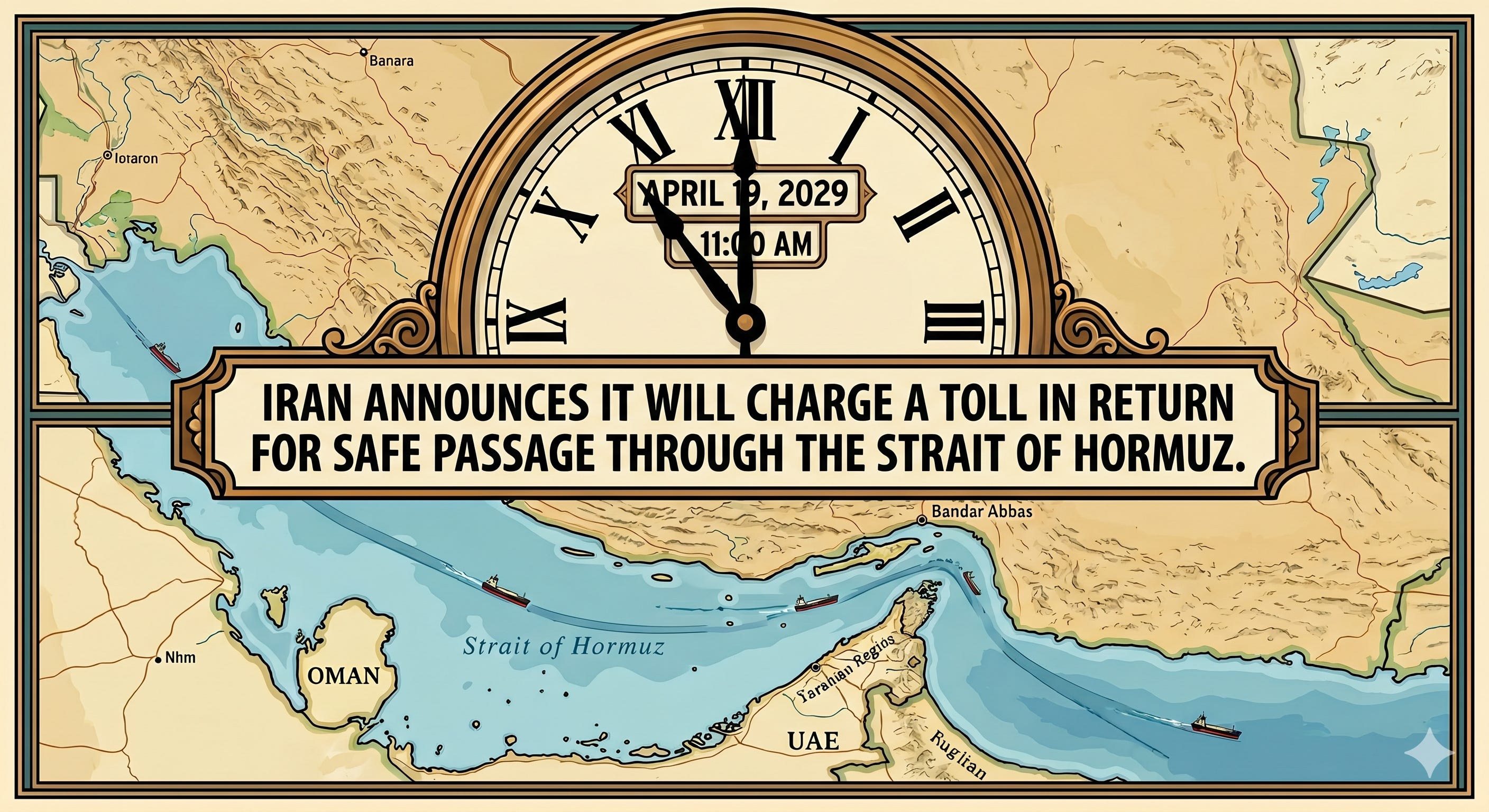
The World That Might Have Been
The morning of April 19, 2029, was crisp but clear. In Tel Aviv, the beach was filled with sunbathers and volleyball players. Joggers, walkers, bicyclists and parents pushing strollers jammed the adjacent promenade. Children frolicked everywhere.
But at 11:00 AM, when sirens wailed throughout the city, everything and everyone stopped, as if frozen in a moment of time. They did not go off to warn of incoming rockets as they had in prior years. Rather, everyone expected their piercing sounds and perhaps looked forward to them because for Israelis they mark a moment where unity and remembrance matters. Unity for the nation and remembrance and appreciation for those that had fallen in defense of Israel or at the hands of terrorists. For those two minutes, on the day they call Yom HaZikaron (Memorial Day), Israelis stand silently as one nation. Something we in America could do well to learn from and emulate.
Hours later the setting sun would mark the beginning of Israel’s Independence Day, called Yom Ha’atzmaut. After which, Israelis would normally celebrate their nation’s founding with barbecues and get-togethers. Much like America’s July 4th, every year Independence Day was a time for joy. But in 2029 it was not to be. Instead, it was a time for fear.
Why?
Because at precisely 11:00 AM on Memorial Day, when the sirens started revving, Iran declared the Strait of Hormuz closed to any ships not paying a two-million-dollar toll for passing through. Simultaneously, American spy satellites and Israeli drones revealed that Iran had commenced salvage operations at locations where Iran’s 60% enriched uranium had been deeply buried by American B-2 bomber strikes in June 2025. Unearthing the enriched uranium would take time. But once recovered, enriching it to 90% bomb grade could be accomplished quickly. A week or two to enrich and six months to a year to fashion a warhead. And so, Iran began its sprint to join the nuclear club.
Iran deliberately precipitated a crisis that it now was well prepared for. For the three years following the twelve days in June 2025 of aerial strikes from Israel that were capped off by America’s B-2 bombers dropping bunker busters on deeply buried nuclear targets, Iran had lain low while producing several thousand long-range missiles and many more launchers, succeeding in quadrupling its stockpile of both. Iran also developed chemical warheads to attach to some of its missiles. And, most importantly, Iran finished construction of underground caverns so deeply buried under Pickaxe Mountain that there it could finish manufacture of nuclear weapons free of risk that bunker busters would penetrate the rock above. Furthermore, Iran had also rearmed Hezbollah and strengthened the Houthis. Although still not back to where they were on October 7, 2023, both proxies were now much better equipped than after the ceasefire in Lebanon in late 2024. This resurgence left them ready, if directed by Iran, to fire coordinated barrages of missiles and drones into Israel.
Israel could now do little to counter the threat Iran posed because Iran and its proxies could now cumulatively saturate Israel’s defenses. Simply put, this resurgent axis of evil could fire more rockets and drones that would arrive simultaneously than the number of available interceptors that could be launched or energy beams fired that then could be maneuvered to stop them. Israel’s Iron Dome, Arrow and laser missile defense systems were marvels of engineering, but they were susceptible to being overwhelmed by the offensive imbalance Iran and its proxies now benefited from. An imbalance that even a new Israeli bombing campaign over the skies of Iran would take much time to correct, leaving Israel’s homefront to absorb the horrific damage incoming missiles would cause. And even if Israel’s defenses blunted the first wave of rockets, because Iran now possessed so many more missiles than Israel had interceptors, eventually, Israel would have nothing more to throw at them. That would inevitably lead to the wholesale destruction of Israel’s cities and military centers. Even more so if Iran armed some of the missiles with chemical warheads. Therefore, because Iran’s missile program had been unchecked since 2025, Israel could not interfere with Iran’s scramble to recover its nuclear material out of fear of facing a retributive horde of incoming missiles and drones that it could no longer stop.
Nor could the United States help, assuming the new president elected in November 2028 wanted to and was willing to push back against the growing power of political forces on both the left and the right that would weigh in against doing so. Why? Because the cavalry was a world away. In 2027, the U.S. moved most of its carrier strike groups to the Indo-Pacific to counter rising tensions in the South China Sea. Similarly, the U.S. pre-positioned its forces to deal more with a new conflict with China than old conflicts in the Middle East. Therefore, few assets were in place to immediately respond to Iran’s provocation. Re-tasking and sailing carrier groups, even if available, back to the Persian Gulf would take three to four weeks. Similarly, moving fighter jets, tankers, reconnaissance craft and anti-missile defenses to the region would take weeks not days. And although long-range B-2 bombers could reach Iran in a day, they alone could not come close to reversing the Iranian tide sweeping the region.
Therefore, Israel had to swallow a bitter pill. It could watch the 60% uranium rise from the bunkers with full knowledge that the failure to end Iran’s nuclear and missile program in 2026 had given rise to a future where an enemy determined to destroy it now held the hammer, the anvil, and the clock.
Israel was not the only victim. The Gulf States too saw the writing on the wall. Watching America’s president waffle, unwilling or unable to pushback against a surging, strident Iran concerned those Arab states. So, some bent the knee, paid Iran’s new toll and accepted vassal status to the Shiite monster that had arisen. Others, particularly Saudi Arabia, decided to embark on an emergency nuclear program of its own. So too did Turkey. Europe saw its costs rise as the price of oil increased due to the tolls and uncertainty. This created internal disruptions and opened the door to political unrest led, in part, by increasingly radicalized segments of the Muslim communities in Europe that sensed emergence of new political prospects for working towards Israel’s destruction. Turkey too, saw opportunities, not because it supported Iran but because it sensed an opportunity to benefit from the upheaval Iran was causing to further its dreams of reconstituting the Ottoman Empire.
And the United States suffered as well. Because its allies and friends noted America’s feckless support for Israel and its failure to head off what now was endangering its once close ally, they began to recalculate their allegiances. Even great powers cannot thrive solely on their own because a nation’s power and security are measured not just by their internal strengths but also by their external relationships and ability to influence and benefit from their allies’ capabilities. Once doubt of America’s unwavering support was introduced into the calculation of those allies, that created a downward spiral difficult to arrest. Soon, India saw cooperation with China as a better path than coordination with America. So too the Gulf States. And in the pacific arena, neutrality became the new political currency for nations fearing Chinese encroachments and realizing that if Israel could not rely on America nor could they.
Meanwhile, China rejoiced. The unraveling of America’s alliance structure initiated by Iran’s unchecked aggression had brought opportunities that could be capitalized on. Not just by taking Taiwan, but by intimidating Japan then South Korea and finally Australia along with all other nations in the region. Japan’s World War II dreams of making the pacific a Japanese lake soon became a reality China prepared to undertake sooner rather than later.
Almost a year after Iran’s announcement that it would exact a toll on ships passing through the Strait of Hormuz, Iran built its first deliverable nuclear weapon. Many more followed. Now, it had the capability to destroy Israel with one swift blow. But cagily it did not immediately do so. First, Iran used its new nuclear strength to deter both Israel and the United States from responding to its growing strength. Second, it increased the tolls it charged for allowing shipping to travel through the Strait of Hormuz, growing further Iran’s treasury which it then used to build up its military and to mollify its restive but demoralized populace bereft of hope for help from abroad and already shorn of tens of thousands who had been murdered by internal security organs for their willingness to risk all to overthrow Iran’s government in 2025. Iran’s possession of nuclear weapons also gave it the ability to demand “protection” from its neighbors in the form of political actions. Gone were the Abraham Accords and any hope of Israel and the Arab world reconciling. And so, Iran’s internal security stabilized while its ability to throw its weight around in the region increased. Until finally, when the time was right, Iran struck—sending thousands of missiles winging Israel’s way—some of which equipped with nuclear warheads and others with chemical ones. Israel’s defenses were overwhelmed. Then, Israel’s neighbors pounced.
Soon, it was all over. The Jewish State was no more.
The Reality Before Us in May 2026
The scenario outlined above, or anything close to it, will likely not happen—but only because the war launched by Israel and the United States has defanged Iran and rendered it defenseless. That is a victory no matter what Iran says. Those that argue Israel and America should have waited, play cavalierly with Israel’s survival.
Iran’s regime has two primary goals—destroying Israel and spreading Shiism worldwide. It has no interest in living peacefully side by side with Israel and the United States. Only an interest in destroying both nations as well as all other western nations through terror and force of arms and internal discord. Therefore, Iran’s intentions and ongoing missile production made the war necessary and timely. Delaying further what would inevitably be required to stop Iran in its tracks only would have caused more destruction in Israel, uncertainty in achieving objectives, and led to possible defeat. It also would have shortened the time frame for the present American administration to achieve its goals if it had acted months or a year from now and encouraged the Iranians, even if under duress, to wait things out until the next U.S. election.
Fortunately, Iran lost the war and many of Israel’s and America’s goals have already been accomplished even though there is more to do. But by refusing to capitulate or admit defeat, Iran is trying hard to win the aftermath. Not through kinetic means but by employing its remaining soft power to influence minds.
Unfortunately, too many are falling for Iran’s tricks, seeing its blockage of the Strait of Hormuz as a masterstroke rather than what it is—a last desperate throw of the dice. It’s all Iran has left. With its economy in ruins, its military crushed and its industrial base shattered, Iran has only one weapon left to wield—cognitive coercion based on a strategy to undercut western resolve faster than the regime’s tenuous hold on power will unravel. Only by waging a cognitive war that introduces fear and uncertainty can the Iranian leadership dig themselves out from the calamity that has befallen it. To prevent that, America must persevere by continuing to squeeze Iran’s economy and when necessary, destroying its remaining centers of power and selected infrastructure.
Why do I say Iran has lost? Because for multiple reasons, Iran has been shorn of any meaningful ability to threaten Israel, and the world, and Iran cannot now restock and reload unless Israel and America relax their overwatch and the United States ends its blockade. Furthermore, conditions have been set for potential future overthrow of the regime by an angry populace fed up with its murderous governing institutions that care more for their ideology than the welfare of the people.
Recognition of what has been accomplished is necessary to understand why victory has already been achieved and also crucial for boldly hoping that an even better future is in the making. A short list of successes includes:
The elimination of Supreme Leader Ali Khamenei and hundreds of other IRGC commanders, left others with less experience to replace them on-the-fly in a disorganized manner. While of course some might prove more capable or even more evil, the opposite may be true as well. Furthermore, the ability of the new leaders to wield Iran’s remaining power efficiently has certainly been impaired by the widespread destruction and inexperience of the new leadership. In addition, the present leadership is most likely fragmented, in some cases fearful or looking for a way out, somewhat paralyzed and in certain instances distracted by their fight to gain power internally.
The death of Iran’s top tier of nuclear scientists is not meaningless. While everyone is replaceable, that is not true immediately. Especially when it comes to scientific knowledge and creativity. Yes, Iran still possesses hard-to-reach buried but enriched nuclear material. But it no longer has the research and development centers to easily turn that material, even if it should reacquire it and enrich it to weapons grade, into warheads.
Iran’s manufacturing centers for missiles and drones lie in ruins while a significant percentage of its pre-war stock has been shot off, destroyed, or is buried. Now, Iran cannot count on its remaining inventory of missiles to deter Israel, rather than just annoy it. Nor will Iran be able to do so in the future if Israel and America prevent it from restarting production.
Iran’s air defenses are for all practical purposes gone. Israeli and American planes and drones can freely fly over Iran’s skies to put an immediate stop to attempts to dig out the enriched uranium, restart missile and launcher production, or initiate any other nefarious deeds.
The ring of fire surrounding Israel that Iran cultivated lies much in ruins. Hamas still runs 50% of Gaza but has few, if any, means to strike into Israel. Hezbollah remains powerful, but much weakened. And now, Hezbollah may face further pressure from Lebanon’s government. Syria is lost to Iran. Only the Houthis remain in somewhat similar position to the one they held prior to October 7. But the Houthis are only capable of being a nuisance. Not a game changer.
Iran’s economy, already in terrible shape is in a downward spiral. The U.S. naval blockade is costing Iran more than three billion dollars a week. Iran’s cumulative losses amount to 40% or more of its pre-war GDP. There are hints that its army and even its key internal security personnel no longer regularly receive paychecks, hardly a recipe for maintaining their allegiance. Also, Internally, there are reports of major gasoline shortages because although Iran pumps oil, it imported much of the refined products it needed like gasoline for cars. Now, it cannot do that. Nor can it refine oil domestically because bombing destroyed much of its internal refinery capacity. And perhaps most frightening of all to Iran’s leaders, Iran faces a debacle of monumental proportions when it reaches the end of the line of its ability to store oil pumped from Iranian wells. Iran has no choice but to continue to produce oil from its wells because shutting them down risks permanent geological damage to its oil fields that might prevent or delay restarting production. But Iran is running out of space to store the oil since America’s blockade prevents tankers from carrying it to international ports for sale. Soon, some say in days and others in weeks, the storage facilities and ancient tankers brought back into service to store the crude will fill thus necessitating closure of the oil pumps in the field. This is an imminent existential crisis that could devastate Iran’s future economy.
Iran’s population is watching and waiting. Iran may have temporarily cowed the masses by killing tens of thousands during two terrible nights in January but doing so did not endear the Iranian people to Iran’s leadership. Are they biding their time, waiting for the right moment? I don’t know. But I guarantee the IRGC does not know either. The fear the people certainly feel of regime crackdowns will likely become less of a factor as the economic crisis deepens and desparation rules the day. Therefore, now more than ever, Iran’s leaders must devote its dwindling resources and dedicated manpower to internal concerns that will fester further rather than diminish.
The value of Iran’s currency is crashing, making imports necessary to rebuild and keep its people happy more expensive and contributing to inflation running rampant inside Iran, further squeezing the livelihood of a populace seething under control of the regime.
But all these hard-fought gains could unravel if America fails to persevere. Iran must not be allowed to use the current ceasefire to catch its breath by riding the coattails of political dissent in America exacerbated by Iran’s sophisticated information warfare campaign designed to snatch the appearance of victory from the jaws of its certain defeat.
All too often democracies find a way to demonize themselves rather than the demons. They do that through political intolerance and strategic impatience. We want quick victories at little cost. We demand success devoid of setbacks. We refuse to acknowledge favorable trends and insist on completion of every goal in a timely manner. However, Iran’s power is now a shadow of its former self. Its plans, so filled with the promise of fulfillment in 2023, have been tangibly eviscerated. That is a huge victory already achieved by Israel after two years of hard fighting and by both Israel and the United States, first in June 2025 and then with far more depth and thoroughness since February 28 of this year. It is a victory despite Iran’s refusal to surrender.
Now Iran, if monitored and disrupted with airpower, when necessary, no longer can achieve its goals and unduly frighten the region. And its demise lurks around the corner. But to ensure that victory does not get reversed, we must be willing to continue the journey started on February 28 to achieve a Middle East freed of the largest state sponsor of terror in the region. Then, the stage will be set for a true peace between Arab and Jew. But if we don’t, there will be more war and more suffering. That is the choice before us. Peace requires putting the capstone on what has already been achieved. Peace also requires that we appreciate the strategic successes attained and prioritize traveling the road already paved over any personal or political disdain we may have for Israel’s or America’s current leadership because the time is now to end Iran’s terror tyranny forever by continuing to squeeze.
And there may not be another chance.
A Special Request
If you think this article of value, please share it with others. Please also consider indicating if you see value in the article by “liking” it or adding a comment. Doing so helps me determine the subject of future articles that you might find beneficial and, through social media, broadcasts my work to a wider audience.
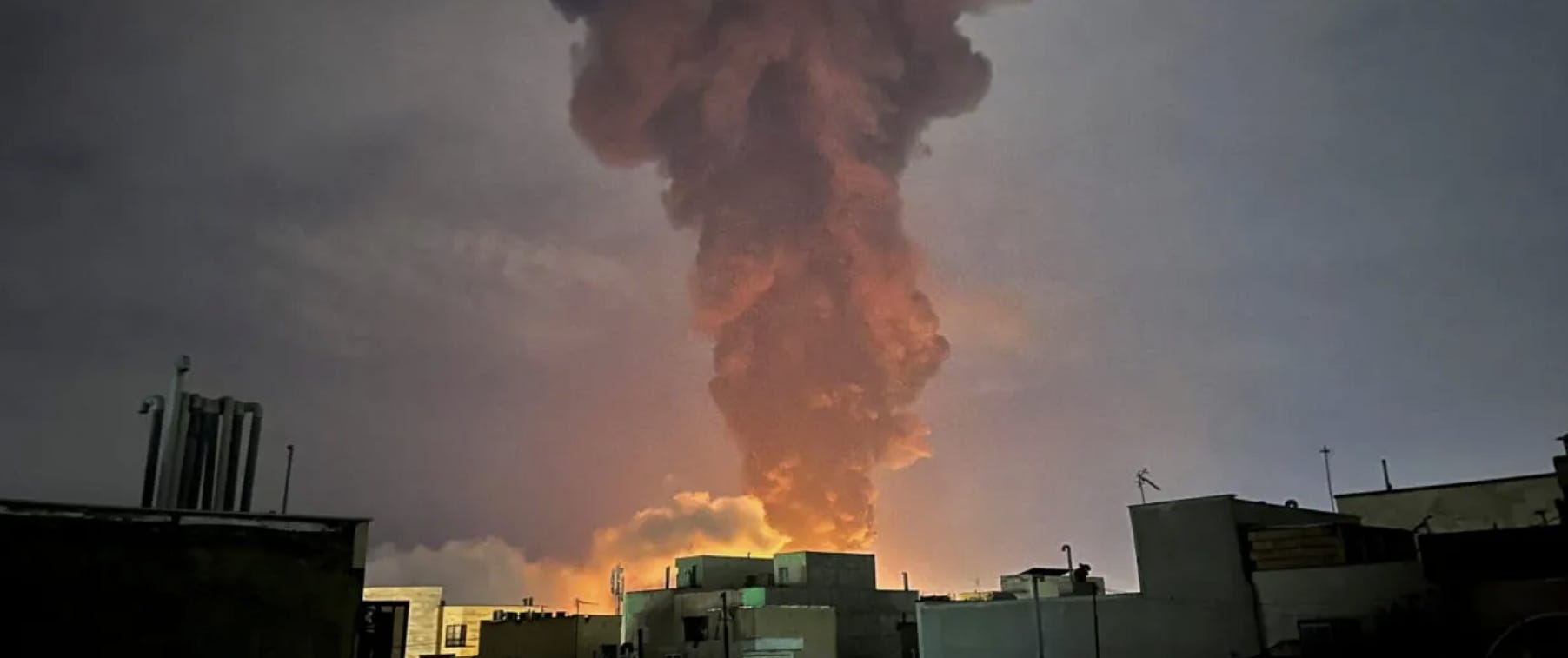
What is Everyone Misunderstanding About US Intelligence Report on Iran Nuclear Threat? - Analysis—Written by Yonah Jeremy Bob for the Jerusalem Post—May 6, 2026
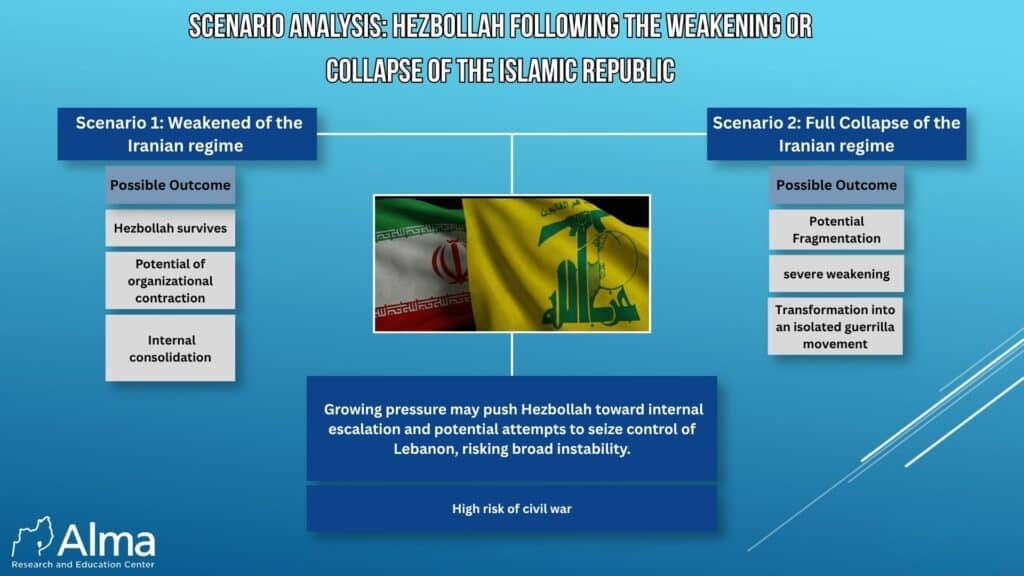
How Would the Fall or Weakening of the Iranian Regime Affect Hezbollah in Lebanon?—Written by Yaakov Lappin, Dr. Zoe Levornick, and Tal Beeri for the Alma Research and Education Center—May 6, 2026
Can We Be Anti-Netanyahu and Pro-Israel?—Written by Vanessa Berg for Future of Jewish—March 31, 2026
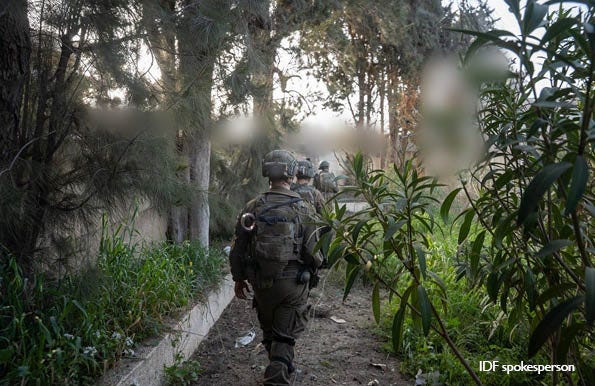
THE GAZA TERROR OFFENSIVE: The Iranian Chapter 30 March – 5 May 2026—Written by Dr. Eado Hecht for the Begin-Sadat Center for Strategic Studies—May 7, 2026
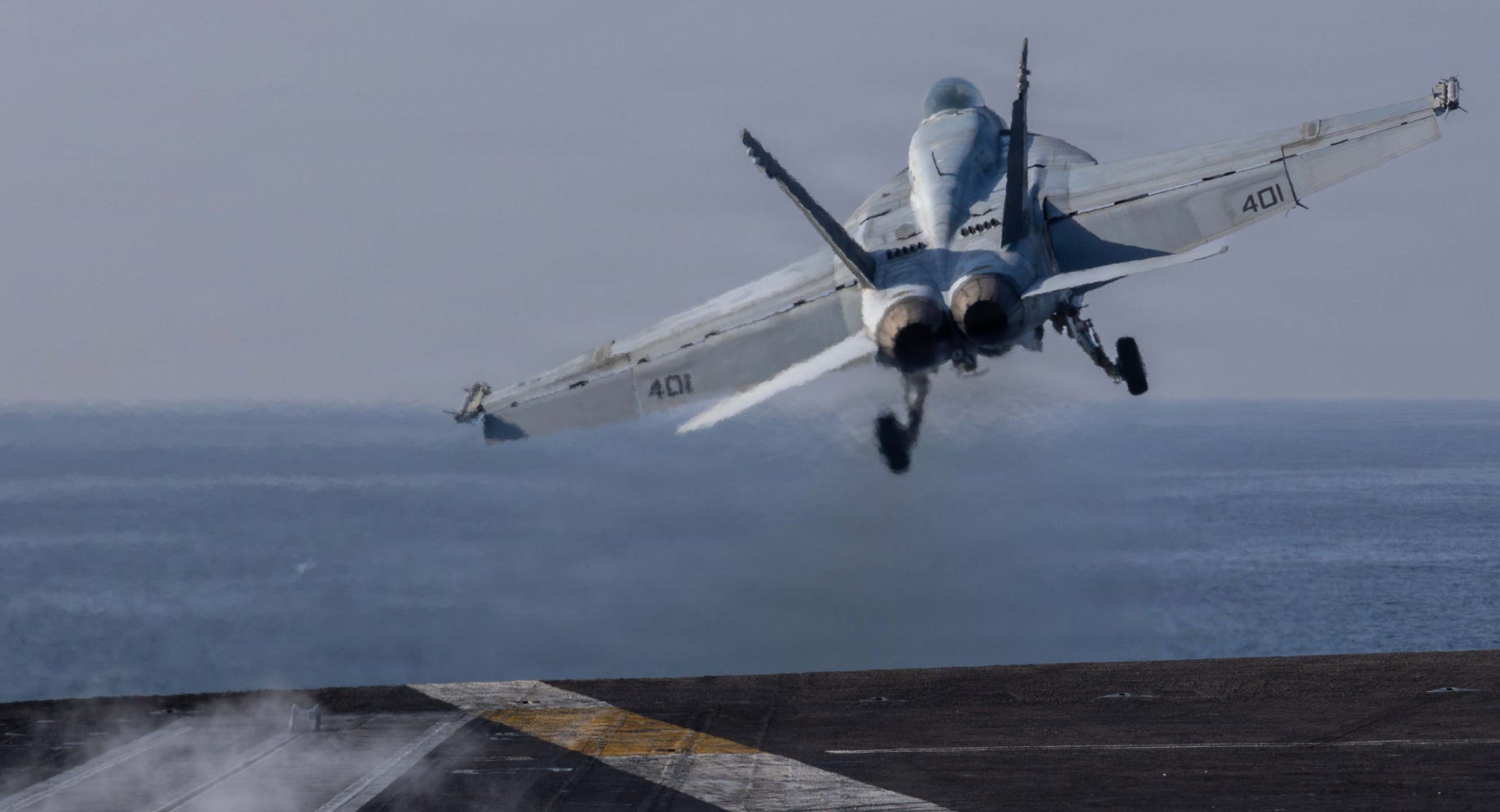
Achievements in Operation Roaring Lion—Written by Yaakov Lappin for The Jerusalem Strategic Tribune—April 2026

Her Life on the Home Front: How War is Reshaping Life for Israel’s Wives and Mothers—Written by Danielle Greyman-Kennard for the Jerusalem Post—April 24, 2026
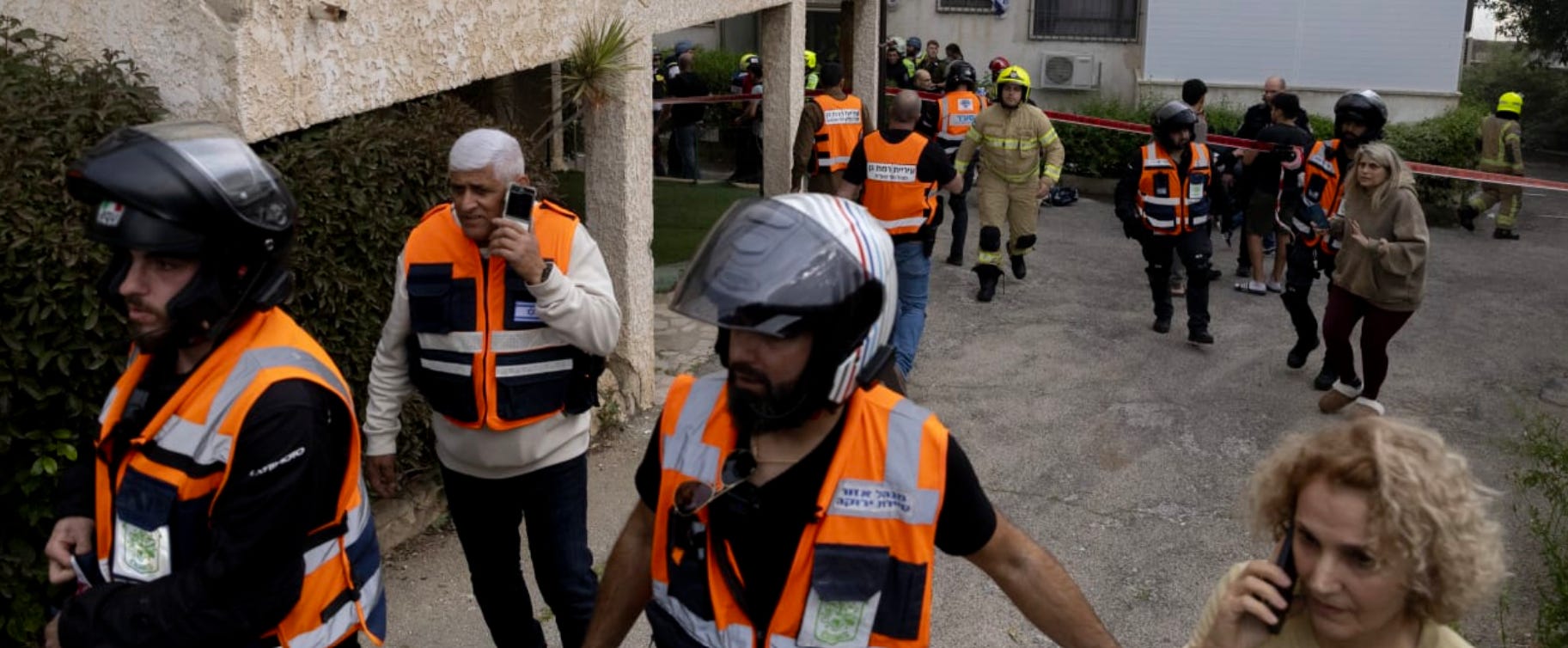
Behind the ‘Secret Sauce’ of Israeli Resilience Americans Cannot Grasp - Comment—Written by Eric Mandel for the Jerusalem Report—April 24, 2026
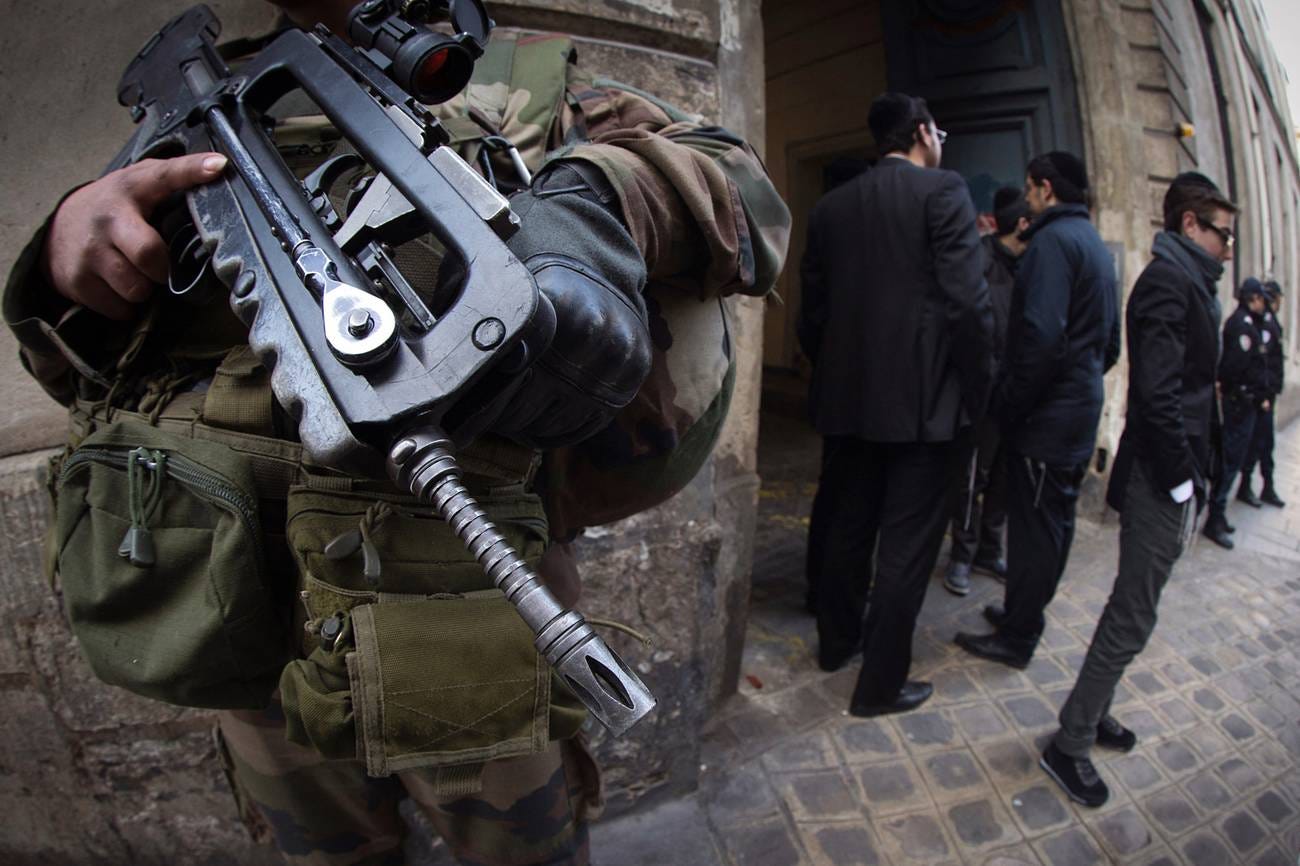
Armed Guards Aren’t the Answer—Jews Must Stop Being Dependent on Others for Our Safety—Written by Leil Leibovitz for Tablet—April 28, 2026

IDF’s AI Unit Transformed Air Force Effectiveness in Iran War, Commander Tells ‘Post’ - Exclusive—Written by Yonah Jeremy Bob for the Jerusalem Post—May 2, 2026

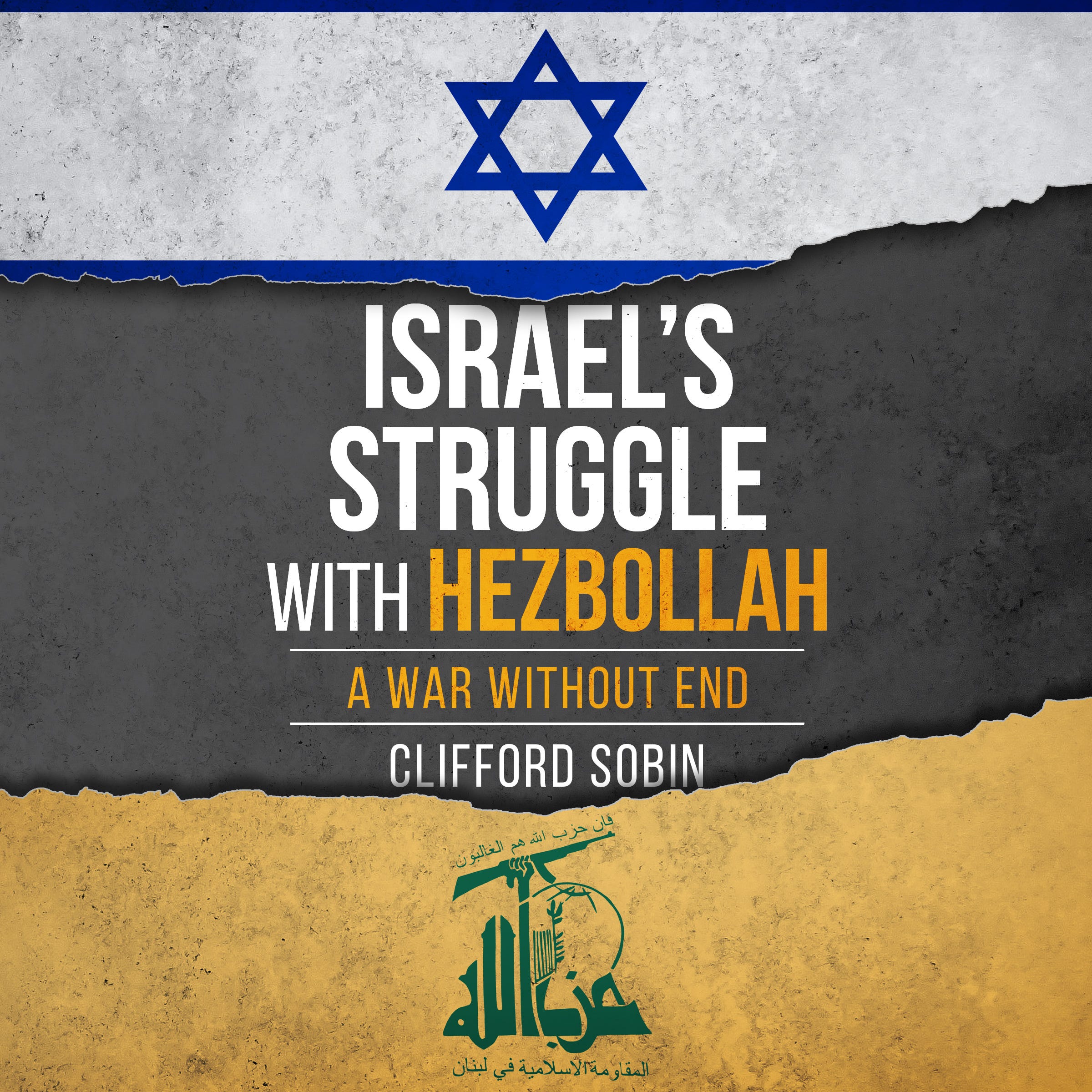
Israel’s Struggle with Hezbollah—A War Without End is now available in eBook and hardback format on Amazon and IngramSpark. This compelling narrative explores Hezbollah’s origins and cancerous growth, traces Israel’s response, and reveals Israel’s present readiness to meet Hezbollah’s challenge.
Cliff Sobin
Important Link—Alma Research and Education Center: Understanding the Security Challenges on Israel’s Northern Border